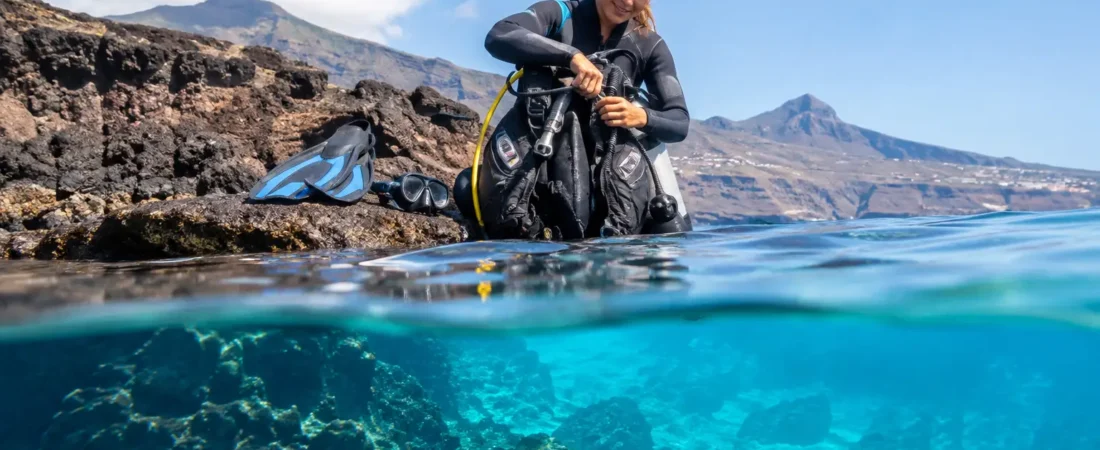
The moment you lower your face into clear Atlantic water, the holiday changes pace. Sounds soften, your breathing becomes the focus, and Tenerife’s volcanic coastline takes on a completely different character. Knowing how to prepare for a scuba diving holiday means you can arrive relaxed, comfortable and ready to enjoy that first underwater moment rather than worrying about practical details.
Good preparation is not about becoming an expert before you travel. It is about making a few sensible decisions around your health, schedule, equipment and expectations, then choosing an instructor or guide who gives you the time and attention you need.
Start with the right type of diving experience
Your preparation depends partly on whether you are new to scuba diving or already certified. A complete beginner does not need previous experience, expensive kit or a long list of technical knowledge. You do need to be comfortable in the water, willing to listen carefully and ready to move at a pace that feels right for you.
A private introductory dive is particularly well suited to people who feel excited but slightly nervous. Your instructor can explain each step clearly, help you become familiar with the equipment and stay close throughout the experience. There is no need to rush the breathing exercises or pretend you understand something when you do not. Ask questions early – a reassuring answer on land often makes the underwater experience feel much more natural.
If you are a certified diver, check when you last dived and be honest about how confident you feel. A refresher may be sensible after a long break, even if your certification remains valid. It is a straightforward way to revisit buoyancy, communication and equipment handling before exploring Tenerife’s volcanic reefs with a guide.
How to prepare for a scuba diving holiday safely
The most useful preparation happens before you pack a bag. Scuba diving places your body under changing pressure, so your health matters. Most guests can dive safely, but you should postpone your dive if you have a cold, blocked sinuses, a chest infection or ear pain. Equalising your ears should never be forced. If it does not feel comfortable, a good instructor will simply slow down or stop the descent.
Certain medical conditions, recent surgery, pregnancy and some medications may require medical advice before diving. This is not a formality. It protects your comfort and safety, and it helps the dive team plan appropriately. If you are unsure, speak to a doctor with knowledge of diving medicine before your holiday and share any relevant information honestly when booking.
It also helps to arrive well rested. Late nights, dehydration and too much alcohol can leave you feeling tired or nauseous in the water. Enjoy your holiday, of course, but keep the evening before your dive reasonably calm. Drink water during the day, eat a light meal a little beforehand and avoid arriving on an empty stomach.
Give flying and diving enough space
One holiday planning detail deserves special attention: do not dive immediately before flying home. Your body needs time to release the extra nitrogen absorbed during a dive. As a general guide, leave at least 12 hours after a single dive and at least 18 hours after multiple dives before boarding a flight. Your instructor will confirm the right recommendation for your planned activity.
For this reason, many visitors schedule diving for the earlier part of their Tenerife stay. It leaves room to choose the best weather window, enjoy the experience without watching the clock, and keep the final day of the holiday easy.
Pack lightly, but bring the things that improve comfort
For a first dive, specialist equipment is normally provided and fitted for you. That includes the wetsuit, mask, fins, tank and safety equipment. Bringing your own kit is unnecessary unless you have items you particularly prefer, such as a prescription mask or a well-fitting dive computer.
What you wear around the dive still makes a difference. Bring swimwear that sits comfortably beneath a wetsuit, a towel, dry clothes and sun protection for before and after your time in the water. A light layer can be welcome after a dive, even on a warm Tenerife day, particularly if there is a breeze on the coast.
If you tend to feel queasy on boats, mention it when arranging your dive. Some sites are accessible from shore, while others may involve a boat journey. The best option depends on conditions, your experience and the type of underwater landscape you hope to see. Eating lightly and keeping hydrated can help, but medication should be discussed with a pharmacist or doctor in advance.
Certified divers should bring their certification card or a clear digital copy, along with their logbook if they have one. These details help your guide understand your experience and select a suitable dive plan. It is also useful to tell them about any preferences: a gentle return after time away, a particular interest in volcanic formations, or simply a wish to take things slowly.
Set expectations that make the experience better
The sea is never a theatre with a fixed script. Visibility, currents and marine life vary with the day, the season and the conditions. Tenerife can offer striking lava formations, reefs and an extraordinary sense of open Atlantic space, but the real value of a well-planned dive is not a promise of one particular animal or photograph.
Instead, prepare to notice the details. The way sunlight shifts across rock, the contrast between dark volcanic textures and blue water, and the quiet concentration of controlled breathing are often what guests remember most. When you are not chasing a checklist, you have more space to enjoy what is actually in front of you.
For beginners, the first goal is simple: feel comfortable breathing underwater. Depth and duration come second. It is completely normal to take a few minutes to settle, to need a second attempt at clearing a mask or to decide you would like to stay shallower. A personalised experience should adapt to you, not the other way around.
Use the briefing to ask every question
A careful pre-dive briefing is where confidence begins. You will learn how to breathe from the regulator, clear water from your mask, equalise your ears and communicate with simple hand signals. You should also understand what will happen if you feel uncomfortable. Usually, the answer is reassuringly simple: signal your instructor, pause, and return to a depth where you feel at ease.
Do not worry about asking basic questions. Ask how the wetsuit should feel, where you will enter the water, how close the instructor will be, or whether photos are included. These are practical questions, not signs that you are unprepared.
At Lov’Ocean, private diving experiences are designed around this calm, individual approach. Equipment is included, and the pace is adjusted to the guest, whether that means a first underwater breath or a guided dive after a break from scuba.
A few habits worth practising before you travel
You do not need formal training before a beginner dive, but gentle preparation can make the day easier. Spend time swimming or floating in a pool if you have not been in the water recently. Practise slow, steady breathing when you feel nervous. And if you wear contact lenses, consider whether a prescription mask or disposable lenses would be more comfortable for you.
Avoid trying to teach yourself scuba skills from videos. They can be useful for familiarising yourself with the idea of diving, but hands-on guidance is what makes the techniques safe and reassuring. Your instructor will show you exactly what applies to your dive and help you practise it in calm, manageable stages.
Plan the day around the dive, not around errands
Give yourself a little breathing room on dive day. Do not arrange a rushed breakfast, a long drive or a demanding excursion immediately beforehand. In Tenerife South, allowing extra time for collection, travel to the meeting point and the briefing helps the whole experience begin calmly.
Afterwards, keep your plans light. You may feel pleasantly tired, hungry or quietly proud of yourself. Have water, enjoy a relaxed meal and look through any underwater photographs when you have had time to warm up. Avoid strenuous exercise and remember the flying interval if you are close to departure.
The best preparation is ultimately quite simple: arrive rested, share relevant health information, listen carefully and allow yourself to go slowly. With the right support, your scuba diving holiday can feel less like a challenge to get through and more like a personal memory you will carry long after the sand has left your suitcase.