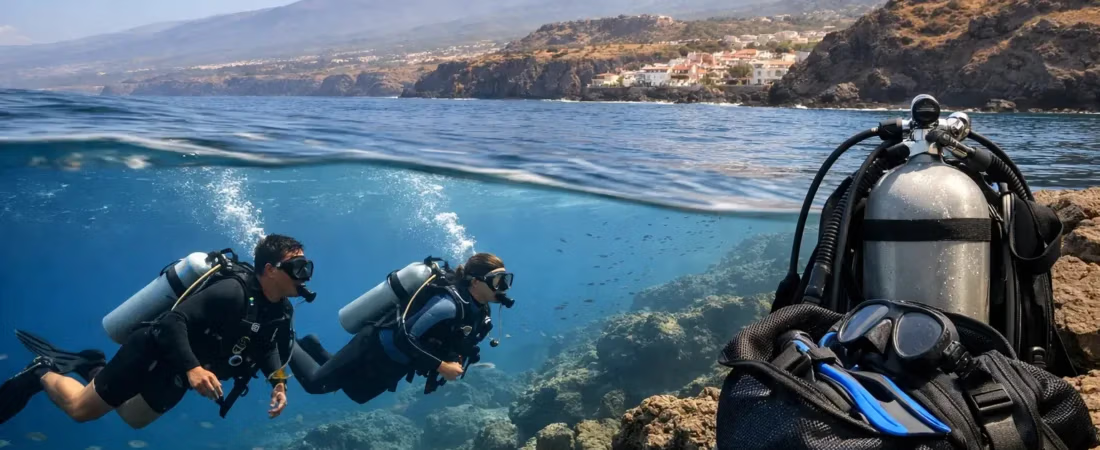
A first dive often looks simple in photos – mask on, smile, blue water. In real life, the questions start earlier. Will it feel safe? Will I be able to breathe calmly? Will someone actually take time with me? This beginner diving holiday guide is for travellers who want their first underwater experience to feel clear, well organised and genuinely enjoyable from the start.
For most beginners, the holiday itself shapes the experience as much as the sea. If your schedule is rushed, the briefing feels confusing, or you are trying to push through nerves, even a beautiful dive site can feel like too much. If the pace is calm, the plan is simple and your instructor adapts to you, the whole thing changes. You stop worrying about whether you can do it and start noticing the light, the silence and the strange beauty of breathing underwater.
How to use this beginner diving holiday guide
The best way to plan a first dive is not to chase the longest experience or the busiest itinerary. It is to choose an introduction that feels safe, private enough to ask questions comfortably, and easy to fit into the rhythm of your holiday.
A beginner does not need technical detail. What matters more is knowing what the day will look like, what support you will have, and what is expected from you. That is why a good first booking should feel simple before you even get in the water. You should know where to go, how long it takes, what equipment is included and whether the session is adapted to complete beginners.
If you are staying in South Tenerife, this matters even more because you can often combine a first dive with the rest of a relaxed holiday day rather than turning it into a full expedition. Areas such as Los Cristianos, Costa Adeje and nearby resorts make it possible to plan a premium diving experience without unnecessary stress.
What beginners usually worry about
Most people are not worried about the sea itself. They are worried about how they will feel in it. Breathing underwater sounds unnatural until you try it. Equalising your ears can sound complicated until someone explains it properly. Wearing the equipment can look heavy until you realise most of that weight disappears once you are in the water.
The emotional side is just as important. Some beginners arrive excited. Others are quietly nervous and only admit it at the last minute. Both are normal. A good instructor expects this and builds the experience around it. There should be time to explain, pause, repeat and adjust. You should never feel hurried through the parts that matter.
This is one of the biggest differences between a forgettable first dive and a memorable one. Beginners do better when they feel looked after as individuals, not processed through an activity.
Choosing the right first dive on holiday
Not every beginner wants the same thing. Some want a gentle one-off introduction. Others are curious enough to see whether a full diving course might suit them later. The right choice depends on your confidence in the water, your available time and what kind of holiday you want.
If your goal is simply to experience breathing underwater for the first time, a private beginner session is often the most comfortable place to start. It gives you space to learn at your own pace and focus on enjoying the moment rather than keeping up with anyone else.
If you already know you like structured learning and may want to continue diving in future, a beginner-friendly course can make sense. It asks for more time and commitment, but it gives you a clearer foundation. The trade-off is simple: a first introduction is lighter and easier to fit into a holiday, while a course is better for those who want progression.
What a well-run beginner dive should include
For a first dive, clarity is part of the service. You should not need to guess what is included or what happens next. Equipment should be provided and properly fitted. The briefing should be easy to follow. The instructor should explain the essentials in plain language, not in jargon.
You should also know whether practical details have been thought through. That includes how much time to allow, what to wear beforehand, whether photos are included, and whether transport or meeting arrangements are straightforward. Small details matter because they reduce mental load. When the logistics are smooth, beginners can focus on the experience itself.
At a premium level, this support is not an extra. It is part of what makes the first dive feel reassuring. A calm welcome, patient guidance and a pace adapted to you are often more valuable than anything more dramatic.
What to bring and how to prepare
Preparation for a beginner dive should feel refreshingly simple. Bring swimwear, a towel, water and sunscreen for before or after the session rather than immediately before entering the sea. If you wear contact lenses, mention it in advance so you can be advised properly. Eat lightly beforehand and avoid turning up dehydrated or exhausted after a late night.
You do not need to buy specialist equipment for a first dive. In fact, most beginners enjoy the day more when everything is provided and properly chosen for them. That removes guesswork and helps with comfort.
The more useful preparation is mental. Give yourself permission to be new at this. You do not need to look confident. You do not need to know the terminology. You only need to listen, communicate honestly and go at a pace that feels manageable.
Is diving in Tenerife good for beginners?
For many travellers, yes – especially if they want warm-weather diving without adding long internal travel or complex planning to their holiday. Tenerife offers accessible coastal diving, pleasant conditions for much of the year and the distinctive appeal of volcanic underwater landscapes.
That said, beginner suitability always depends on the day, the site and the support you receive. Sea conditions vary. Some days are gentler than others. A responsible instructor will choose the right plan for your level rather than forcing a fixed experience regardless of conditions.
This matters more than grand claims about what you might see underwater. For beginners, comfort and confidence come first. The best memories usually come from feeling relaxed enough to notice your surroundings, not from chasing a checklist.
How to know if a diving provider is right for you
If you are reading carefully before booking, trust that instinct. The right provider for a first dive should make you feel informed before you commit. Look for clear communication, a reassuring tone and an experience designed for genuine beginners rather than assumed confidence.
It also helps to notice what the service emphasises. If the focus is on personal guidance, safety, comfort, well-maintained equipment and a smooth experience from booking to finish, that usually reflects a better fit for first-timers. A premium service is not simply about style. It is about reducing friction at every stage.
For some travellers, private instruction is particularly valuable. It gives you room to ask basic questions without embarrassment, take a pause if needed and move at a rhythm that suits you. For a first underwater experience, that personal attention can make all the difference.
When to book your first dive during your trip
Earlier in your stay is often better than leaving it until the final day. If weather or sea conditions require flexibility, you have more room to adjust. You are also more likely to enjoy it when you are fresh rather than squeezing it in just before flying home.
If you think you may want a second session or perhaps continue with lessons, an earlier booking gives you options. Even if you only plan one dive, removing last-minute pressure tends to make the experience feel calmer.
A sensible point to remember is flying. After diving, you need to allow appropriate time before taking a flight. This is standard safety advice and one more reason not to leave your first dive until the very end of the holiday.
The experience should feel personal, not intimidating
A good first dive stays with people for years, not because it was extreme, but because it felt surprisingly natural once the nerves settled. You remember the instructor who explained things clearly, the moment your breathing slowed, the first look down into open water, and the quiet sense that you had done something new without ever feeling pushed.
That is why thoughtful planning matters. A beginner diving holiday guide is not really about ticking off equipment or memorising steps. It is about choosing an experience that respects how first-time divers actually feel. Calm support, clear communication and a personalised pace are not luxuries. They are what help beginners enjoy the sea with confidence.
If you are considering a first dive in Tenerife, choose the version of the experience that lets you feel looked after from the first message to the final smile on shore. The underwater world is memorable enough on its own. The best start is one that feels simple, safe and quietly special.